




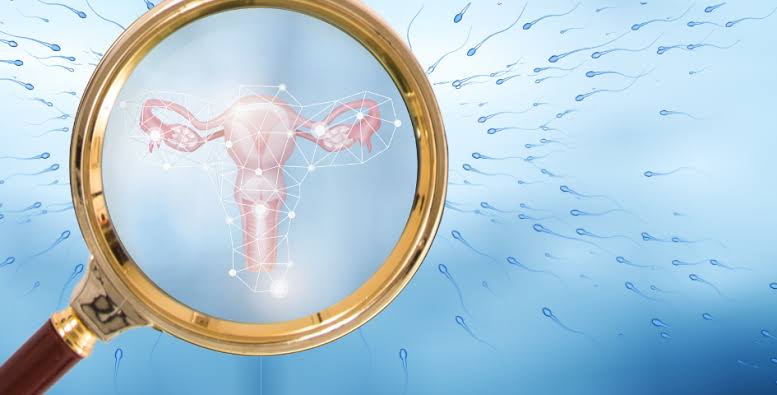

Fertility problems affect millions of couples worldwide and can make the journey to parenthood challenging. Fertility refers to the natural ability to conceive and have a child. When a couple is unable to achieve pregnancy after one year of regular, unprotected intercourse, it may indicate a fertility issue that requires medical evaluation.
Fertility problems can affect both men and women. In women, common causes include irregular ovulation, polycystic ovary syndrome (PCOS), blocked fallopian tubes, endometriosis, hormonal imbalances, uterine abnormalities, and age-related decline in egg quality. In men, fertility issues may result from low sperm count, poor sperm motility, abnormal sperm shape, hormonal disorders, infections, genetic conditions, or lifestyle factors such as smoking and excessive alcohol consumption.
Several factors can increase the risk of fertility problems, including stress, obesity, poor nutrition, lack of physical activity, environmental toxins, and delayed childbearing. Certain medical conditions, previous surgeries, and sexually transmitted infections may also impact reproductive health.
The diagnosis of fertility problems usually involves a comprehensive evaluation of both partners. Women may undergo hormone testing, ultrasound scans, ovulation tracking, and assessment of the uterus and fallopian tubes. Men are commonly advised to have a semen analysis to evaluate sperm count, movement, and quality. These tests help fertility specialists identify the underlying cause and recommend appropriate treatment.
Fortunately, many fertility problems can be treated successfully. Treatment options may include lifestyle modifications, medications to stimulate ovulation, surgical procedures to correct reproductive abnormalities, and advanced fertility treatments such as Intrauterine Insemination (IUI), In Vitro Fertilization (IVF), and Intracytoplasmic Sperm Injection (ICSI). The choice of treatment depends on the specific cause of infertility, the age of the partners, and their overall health.