




but certain types can make it more difficult to conceive or maintain a healthy pregnancy. The impact depends on the size, location, and nature of the condition, as well as your overall reproductive health.
Early diagnosis and personalized treatment are essential. Many women go on to have successful pregnancies after appropriate management, including minimally invasive laparoscopic surgery when indicated. If you are experiencing symptoms or struggling to conceive, consult a qualified gynecologist to discuss the most suitable treatment options and develop a plan tailored to your fertility goals.

Can Fibroids and Ovarian Cysts Affect Fertility?
Planning a family is an exciting milestone, but certain gynecological conditions can make conception more challenging. Two of the most common conditions affecting women of reproductive age are uterine fibroids and ovarian cysts. While many women with these conditions conceive naturally, some may experience fertility issues depending on the type, size, and location of the growth.
Understanding how fibroids and ovarian cysts affect fertility can help you seek timely treatment and improve your chances of a healthy pregnancy.
What Are Uterine Fibroids?
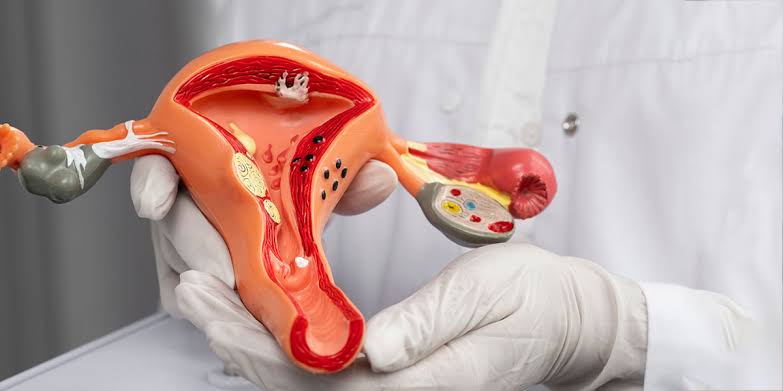
Uterine fibroids are non-cancerous growths that develop from the muscle tissue of the uterus. They can be as small as a pea or as large as a melon and may occur as a single growth or multiple fibroids.
Not all fibroids interfere with fertility. Their impact largely depends on where they are located and how large they become.
What Are Ovarian Cysts?
Ovarian cysts are fluid-filled sacs that form on or inside the ovaries. Most ovarian cysts are harmless and disappear naturally within a few menstrual cycles. However, some types of cysts may affect ovulation or damage healthy ovarian tissue, making it more difficult to conceive.
Can Fibroids Affect Fertility?
Yes, certain fibroids can reduce fertility, but many women with fibroids become pregnant without difficulty.
Fibroids are more likely to affect fertility when they:
- Distort the shape of the uterine cavity
- Block the fallopian tubes
- Prevent implantation of a fertilized egg
- Reduce blood flow to the lining of the uterus
- Increase the risk of miscarriage
- Interfere with embryo development
Which Fibroids Are Most Likely to Affect Fertility?
Submucosal Fibroids
These grow inside the uterine cavity and are the most likely type to interfere with implantation and pregnancy. Even relatively small submucosal fibroids may reduce fertility.
Intramural Fibroids
Fibroids located within the muscular wall of the uterus may affect fertility if they become large enough to alter the shape of the uterus or reduce blood flow to the endometrium.
Subserosal Fibroids
These develop on the outer surface of the uterus and usually have little or no effect on fertility unless they become very large and compress nearby reproductive structures.
Can Ovarian Cysts Affect Fertility?
Most simple ovarian cysts do not affect fertility. However, certain types of ovarian cysts are associated with reduced fertility or difficulty conceiving.
Functional Cysts
These develop during the normal menstrual cycle and usually disappear without treatment. They rarely affect fertility.
Endometriomas
These cysts develop due to endometriosis and may damage ovarian tissue, reduce egg quality, and make conception more difficult.
Polycystic Ovary Syndrome (PCOS)
Women with PCOS often have multiple small ovarian cysts along with hormonal imbalances that can interfere with ovulation. PCOS is a common cause of infertility but can often be managed successfully with lifestyle changes, medications, or fertility treatment.
Large Ovarian Cysts
Very large cysts may interfere with ovarian function or require surgical removal. In some cases, preserving healthy ovarian tissue during surgery is important for maintaining fertility.
Symptoms That May Indicate a Fertility-Related Problem
Many women have fibroids or ovarian cysts without noticeable symptoms. Others may experience:
- Heavy menstrual bleeding
- Painful periods
- Pelvic pain or pressure
- Abdominal bloating
- Pain during intercourse
- Irregular menstrual cycles
- Difficulty becoming pregnant after trying for one year (or six months if over age 35)
- Recurrent miscarriages
If you have these symptoms and are planning a pregnancy, it is important to consult a gynecologist.
For more information and appointments, contact Dr.Deepak Chawla
Phone : 9023703001
Website : www.drdeepakchawla.com